


About Our Service
Our Urogynaecology Clinic is dedicated to providing coordinated holistic care to women experiencing urinary incontinence, utero-vaginal prolapse, overactive bladder, urinary/faecal incontinence and recurrent urinary tract infections.
A referral is required for this service.
What Is Urogynaecology?
Urogynaecology is a sub-specialty of gynaecology, involving a dedicated and compassionate multi-disciplinary team, specialising in the diagnosis and treatment of conditions affecting the pelvic floor.
Conditions Treated
Our Care Approach
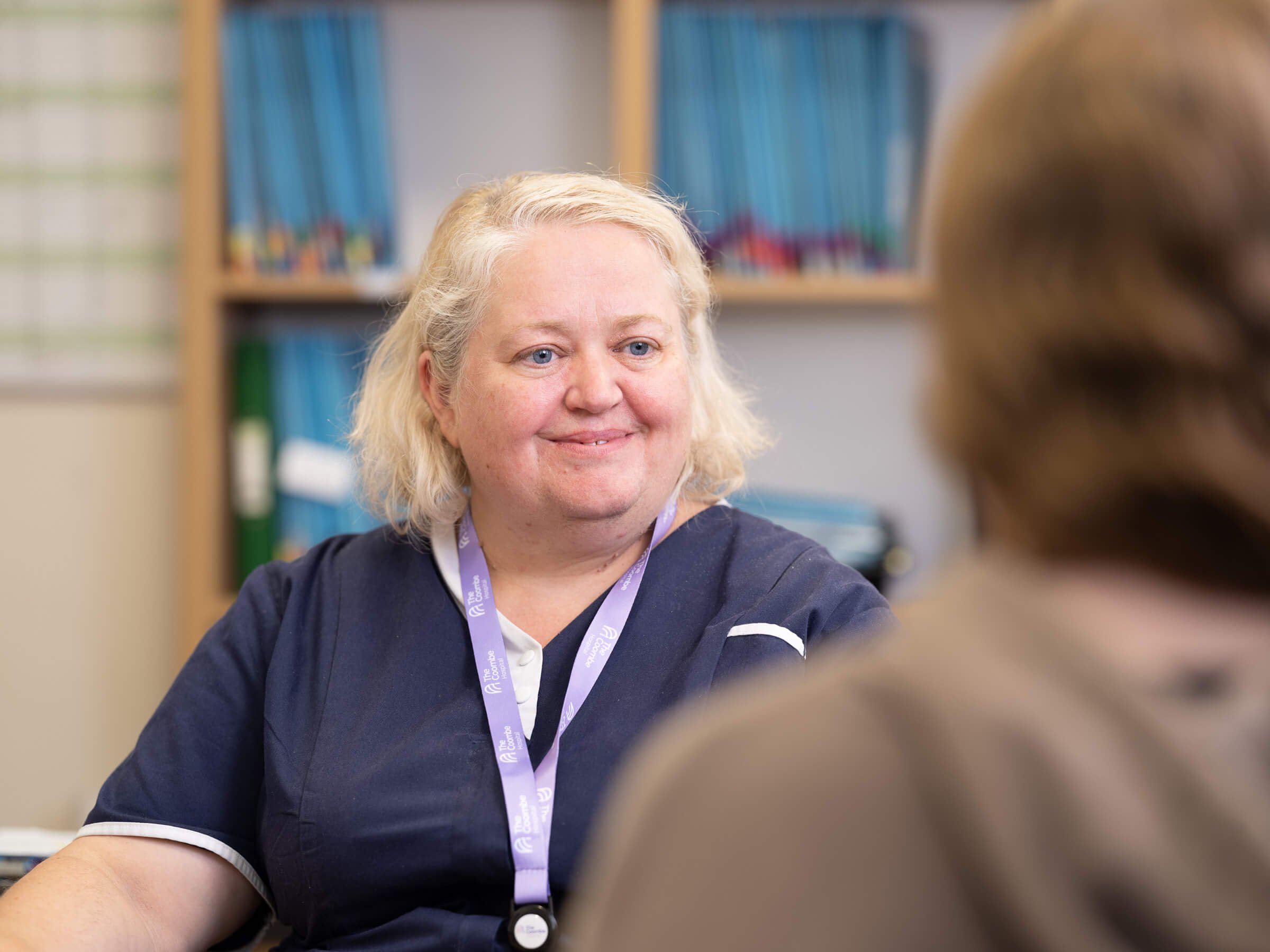
At our clinic, we are focused on providing compassionate, evidence-based solutions to improve your quality of life. Women are offered a comprehensive range of treatment options from conservative treatments to advanced surgical procedures if appropriate. Treatments are delivered by our dedicated and multidisciplinary team of doctors (surgeons), clinical nurse specialists and pelvic health physiotherapists.
What is a Urodynamic Study?
A urodynamic study checks how your bladder and urethra work by taking pressure readings using computerized equipment. The bladder is a hollow, balloon-shaped muscle (also known as the detrusor muscle) that is responsible for storing urine until you find an appropriate time and place to urinate. It swells into a round shape when it is full and gets smaller as it empties. A healthy bladder can hold up to 300 - 500ml of urine comfortably. The urethra is the tube that allows urine to pass from the bladder out of the body.
A urodynamic study is the best test to assess how your bladder and urethra work. It provides information that can help to diagnose urinary tract problems and determine the best treatment.
You have been referred for this test because you may have one or more of the following conditions:
Leaking of urine brought on by activity such as coughing or exercise.
Frequent and urgent urination or leaking on the way to the toilet.
Waking up more than once at night to urinate.
Poor flow of urine and a feeling that the bladder is not completely empty.
Painful bladder conditions.
Prolapse of bladder.
What is the aim of the test?
The aim is to reproduce your bladder symptoms so that further treatment can be planned. If one of your symptoms is leaking, this may happen during your test. Don’t be embarrassed. It is useful for the urodynamic team to see how your bladder behaves.
How do I prepare for the test?
3-day bladder diary
o We will ask you to record your fluid intake, urine output and any leaks you experience over a three day period. It is important that you bring this diary with you on the day of your appointment.
Stop bladder medications
o Stop taking any ‘overactive bladder’ (anticholinergic) medications one week before the test.
Please have a comfortably full bladder before the test. If you have problems holding on with a full bladder, we will understand.
If you have any symptoms of a urinary tract infection or you have a confirmed urinary tract infection, please contact the clinic to reschedule the urodynamic study.
What happens during the procedure?
The urodynamic study is performed by a nurse trained to perform this test. Before we start, we will explain the test in detail, answer any questions and ask you to sign a consent form.
We will ask you to use a specially adapted toilet called a uroflow (in private), undress from the waist down and put on a gown to preserve your privacy and dignity.
We will ask you to lie on a couch and a small tube (catheter) will be placed in the bladder to drain the bladder and check for evidence of infection. This tube will then be removed. If signs of infection are found the test will be postponed until the infection is cleared. If no infection is detected, we will pass a catheter through the urethra into your bladder. A second fine tube will be placed in your rectum. Once all the catheters are in place, they will be taped to your leg and connected to a computer system. We may do the test with you sitting or standing.
Your bladder will be filled slowly with saline (salt water) through the catheter. We will ask you to cough or strain during the test and to tell us how your bladder feels. If you suffer from leaking, we will try to reproduce this by asking you to perform some exercise activity.
It is important to try and hold on until your bladder feels full. We will then ask you to pass the fluid in your bladder into the uroflow machine again. The catheters will be removed and you can get dressed.
We will give you advice in relation to the possible test findings, but it’s important to be aware that the urodynamic study may not always provide an explanation for your urinary symptoms. An outpatient appointment will be arranged for you to discuss the results and treatment options with your doctor.
FAQs
-
During your first visit, you will meet with a gynaecologist who will review your medical history and discuss any concerns you may have. A physical examination, including a pelvic exam, may be conducted. It’s helpful to bring any relevant medical records and a list of medications you are currently taking.
-
Pelvic floor physiotherapy is helpful for women with pelvic floor disorders such as prolapse and urinary incontinence. It may be possible for you to attend a physiotherapist locally while you wait for your appointment.
-
Some lifestyle changes can also be useful for women with prolapse/urinary incontinence to include weight reduction, smoking cessation, cutting down on caffeinated and fizzy drinks and management of constipation.
-
Continence Foundation of Ireland - www.continence.ie
International Urogynaecology Association - www.iuga.org
British Society of Urogynaecology - https://bsug.org.uk/
Improving Your Pelvic Floor
Pelvic Floor &
Urinary Incontinence
In this video, we discuss your pelvic floor muscles and the different types of urinary incontinence which affect many women in pregnancy and beyond.
Pelvic Floor Muscle Exercises
In this video, we explain how to do pelvic floor muscle exercises.
Physiotherapy & Your Pelvic Floor

This booklet contains physiotherapy advice and treatment for common complaints associated with bladder, bowel and pelvic organ prolapse.

Patient Experience
Every patient’s path to diagnosis and treatment is individual. No matter your specific journey, we believe in empowering you to take an active role in your healthcare.

Departments & Services











































Help & Support
-
Appointments:
All appointments can be directed through Hospital reception: 01 408 5200, 24 hours a day -
Health Insurance:
We operate a direct payment scheme with VHI, Laya Healthcare, Irish Life Health, Garda Medical Aid, ESB, Medical Provident Fund, and Prison Officers Medical Aid. If you are covered by any of these insurers, the relevant insurance forms are signed electronically on your admission to hospital.
Fees:
For more information on Fees - visit our Hospital Charges page -
-
The Resource Page:
Browse our collection of patient resources, brochures, and information leaflets—all in one place. Downloadable and easy to access, these documents cover everything from appointments and procedures to maternity, newborn care, and more.


Contact Us
Tel: 01 408 5200
Find Us
The Coombe Hospital
Switchboard:
Location:
Cork St, Dublin, D08 XW7X